Page contents
- Swelling or bags? They are not the same
- Puffy eyes in the morning: everyday causes
- Allergy
- Infections and inflammation
- General health conditions that show in the eyelids
- Injury and insect bites
- One eye or both?
- When you need to be seen urgently
- What helps at home
- Treatment depending on the cause
- Book an appointment
- Frequently Asked Questions about Swollen Eyes
Swollen eyes are caused by fluid build-up or inflammation in the tissues of the eyelids. The skin there is the thinnest and loosest in the body, which is why it swells easily and dramatically. When the swelling affects both eyes, is worse in the morning and is not painful, the cause is usually harmless: fluid retention, allergy or poor sleep. When it affects one eye and comes with pain, redness or fever, it is usually an infection that needs to be examined.
Swelling or bags? They are not the same
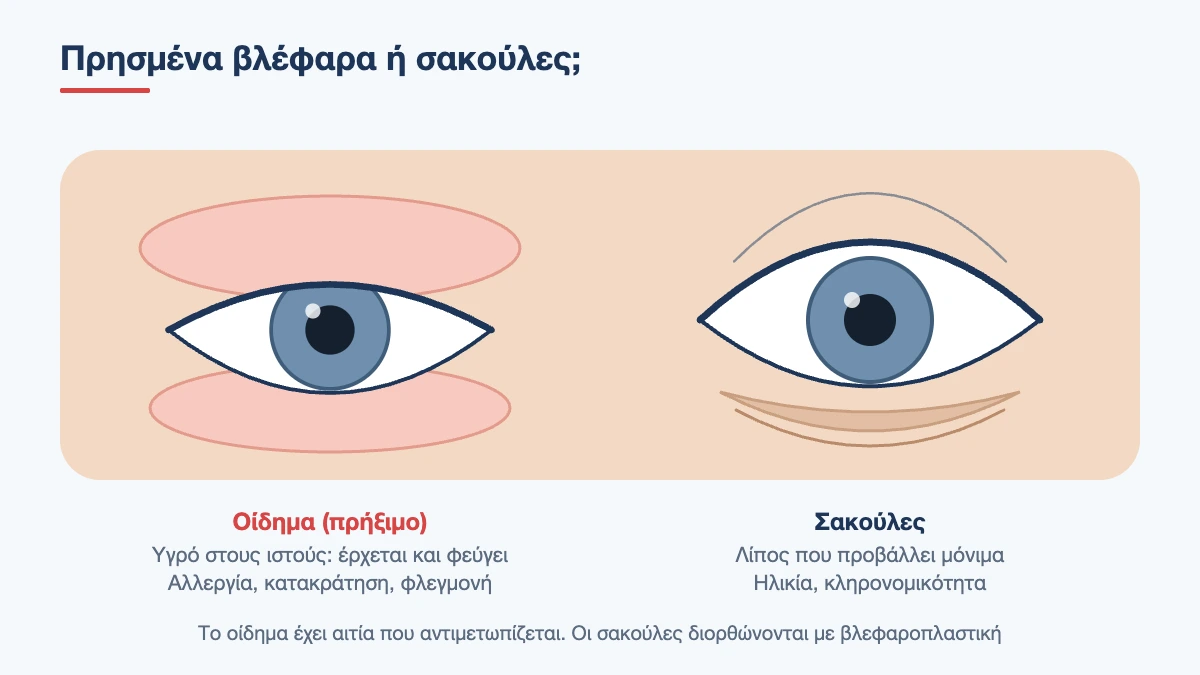
Before anything else, it is worth separating two things that are often confused.
- Oedema: fluid within the tissues of the eyelid. It appears suddenly or changes during the day, the skin is tight and shiny, and the cause is fluid retention, allergy or inflammation
- Bags: a permanent bulging of the fat that surrounds the eye, because the membrane that holds it in place has loosened with age or due to heredity. They do not change much from day to day, they are more visible when you look upwards and they do not go away with creams or compresses
The two often coexist: bags look worse in the morning because fluid is added. The distinction matters, though, because oedema has a cause that can be treated, whereas bags can only be corrected with blepharoplasty (eyelid surgery).
Puffy eyes in the morning: everyday causes
When we are lying down, gravity does not drain fluid from the face, and the eyelids hold it like a sponge. This is why morning puffiness in both eyes is normal to some extent and settles within one to two hours of getting up. It is made worse by:
- Salt: a salty evening meal makes the tissues retain water
- Alcohol: it dehydrates and dilates the blood vessels at the same time
- Too little or too much sleep, and sleeping face down or without a pillow
- Crying: emotional tears contain less salt than the tissues, so their water is absorbed by the skin, while rubbing adds irritation
- Hormonal changes: before a period and during pregnancy
- Make-up that was not removed and heavy eye creams at night
- Age: the skin and supporting tissues loosen and hold more fluid
Allergy
This is the most common cause of sudden swelling. Its hallmark is itching.
Allergic conjunctivitis
Pollen, dust, house dust mites or pet hair cause itching, watering, red eyes and swollen eyelids in both eyes, often together with sneezing. See the article on allergic conjunctivitis.
Contact dermatitis
The skin of the eyelids reacts to something that has touched it: mascara, eyeshadow, make-up remover, cream, sunscreen, eye drops, hair dye, false eyelashes and their glue. Very often the substance is carried by the fingers, and nail varnish is a classic example. The eyelids swell, turn red, flake and itch, while the eye itself is calm. The reaction can appear to a product you have used for years without any problem.
Angioedema
Sudden, large, soft swelling of the eyelids within minutes or hours, which can close the eye, after a food, a medicine or an insect sting. If it comes with swelling of the lips or tongue, hoarseness or difficulty breathing, call 166 (the Greek ambulance service) immediately.
Infections and inflammation
Here the swelling usually affects one eye, it is painful and the skin is red and warm.
- Stye: a painful red lump on the edge of the eyelid. At first the whole eyelid may swell before it becomes localised
- Chalazion: a firm, painless lump within the eyelid that lasts for weeks
- Blepharitis: chronic inflammation of the eyelid margins, with mild swelling, crusting and burning, worse in the morning
- Conjunctivitis: in the viral form the eyelids swell noticeably, with a watery discharge and a red eye
- Preseptal (eyelid) cellulitis: an infection of the skin around the eye, usually after a scratch, an insect bite or sinusitis. The eyelid is firm, red, warm and painful, and oral antibiotics are needed
- Orbital cellulitis: the infection has spread behind the eye. Fever, pain on eye movement, double vision, bulging of the eye or loss of vision are added. It is an emergency treated in hospital
- Shingles (herpes zoster): pain and swelling of the forehead and eyelid on one side, followed by blisters
- Dacryocystitis: painful swelling between the eye and the nose, in a person with a blocked tear duct
General health conditions that show in the eyelids
Persistent swelling of both eyes that is not explained by the above may be a sign of a wider problem:
- Thyroid: in the hyperthyroidism of Graves’ disease, the eyelids swell and retract, and the eyes bulge and become irritated. In hypothyroidism the face and eyelids become puffy. See the article on the thyroid and the eyes
- Kidneys: when protein is lost in the urine, the first place where fluid retention shows is the eyelids in the morning. In children this is a characteristic sign
- Heart and liver: swelling of the eyelids together with swollen legs and breathlessness
- Medicines: certain blood pressure medicines, anti-inflammatories and corticosteroids cause fluid retention
Injury and insect bites
After a blow, the eyelid swells and bruises within hours. If you can open the eye, see clearly, do not see double and the eye moves normally, cold compresses are enough. If not, an examination is needed to check for damage to the eye itself or a fracture of the orbit. An insect bite on the eyelid causes disproportionately large, itchy swelling that settles in 2 to 3 days.
One eye or both?
| Picture | Most likely causes |
|---|---|
| Both eyes, in the morning, no pain or itching | Fluid retention, salt, alcohol, sleep |
| Both eyes, with itching | Allergy, contact dermatitis |
| Both eyes, persistent, for weeks | Thyroid, kidneys, blepharitis |
| One eye, with pain at one spot | Stye |
| One eye, red, warm, with fever | Cellulitis |
| One eye, with blisters on the forehead | Shingles |
| One eye, suddenly, with itching | Insect bite, contact with an allergen |
When you need to be seen urgently
- the swelling comes with fever
- the eyelid is red, warm and firm, and the swelling is spreading
- the eye hurts, especially when you move it
- your vision has become blurred or you are seeing double
- the eye bulges or will not open at all
- there was a blow to the eye
- blisters have appeared on the skin around the eye
- it is a child with a swollen, red eyelid
- there is swelling of the lips or tongue, or difficulty breathing: call 166
Book an examination if the swelling lasts more than 2 to 3 days without explanation, if it keeps coming back or if there is a lump that has not gone after a month.
What helps at home
- Cold compresses for 10 minutes, for morning puffiness, allergy and after a blow. A clean cloth soaked in cold water is enough
- Warm compresses for a stye, chalazion and blepharitis, 10 minutes, three to four times a day
- Sleeping with an extra pillow
- Less salt and alcohol in the evening, and enough water during the day
- Stopping every product you have recently used on your eyes or face. Reintroduce them one at a time, one a week, to find the culprit
- Careful make-up removal every night and replacing your mascara every three months
- No rubbing. It makes both the swelling and the itching worse
- Stopping contact lenses until it settles
- Artificial tears if the eyes are irritated. Oral antihistamines help with allergy
Avoid steroid creams on the eyelids without medical advice. The skin there thins very quickly, and steroid that reaches the eye can raise the eye pressure.
Treatment depending on the cause
For allergy, anti-allergy drops are given and, if needed, an oral antihistamine. For contact dermatitis, the key is to find and remove the substance responsible, and a mild anti-inflammatory ointment suitable for the eyelids may be given for a few days. For a stye and blepharitis, the mainstay is warm compresses and eyelid hygiene, with antibiotic ointment where needed. Cellulitis needs oral antibiotics and a review in 24 to 48 hours. A chalazion that persists is removed with a minor procedure in the clinic. When a general medical cause is suspected, blood and urine tests are requested and you are referred to the appropriate doctor.
Book an appointment
If your eyes often swell, if the swelling does not go down or if you are not sure whether it is oedema or bags, an examination will clarify the cause. For a swollen, red and painful eyelid, call so that we can see you the same day. The practice is in Neo Psychiko, Athens, telephone 210 677 0007.
Frequently Asked Questions about Swollen Eyes
Why do I wake up with swollen eyes?
During sleep, fluid does not drain from the face and collects in the eyelids. This is made worse by salty food, alcohol, lack of sleep, crying or allergy. If it settles in one to two hours, it is not a cause for concern. If it persists all day, it should be checked.
Only one of my eyes is swollen. What could it be?
Usually a stye, an insect bite, contact with an allergen or conjunctivitis. If the eyelid is red, warm and painful, or you have a fever, it may be cellulitis, which needs antibiotics and an examination the same day.
How can I reduce eye swelling quickly?
With cold compresses for 10 minutes, staying upright and a little patience. For allergy, an antihistamine helps. If the cause is a stye or a chalazion, you need warm, not cold, compresses.
Can swollen eyes be a sign of a kidney or thyroid problem?
Yes. Persistent swelling of both eyes, especially in the morning, without itching or pain, can be a sign of kidney disease or a thyroid disorder. Blood and urine tests are needed.
What is the difference between swelling and eye bags?
Swelling is fluid that comes and goes. Bags are fat that bulges permanently because the tissues holding it in place have loosened. They do not go away with creams or compresses and are corrected with blepharoplasty.
Is swelling from an allergy dangerous?
Usually not, and it settles within a few hours or days. It becomes dangerous when it comes with swelling of the lips, tongue or throat, hoarseness or difficulty breathing. In that case, call 166 immediately.
Questions about your case?
Dr. Skouteris will examine you at his practice in Neo Psychiko and explain your options.

Ophthalmic surgeon trained at the John Radcliffe University Hospital in Oxford and Fellow of the European Board of Ophthalmology (FEBO).
Full profileRelated articles
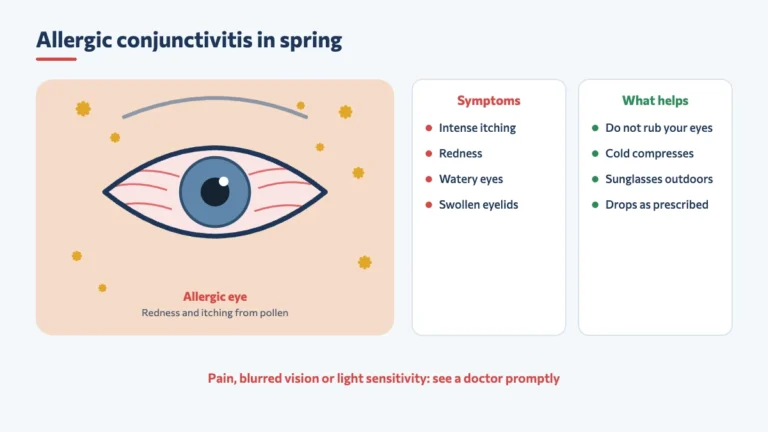
Allergic Conjunctivitis in Spring: Symptoms, Prevention and When to Worry
Itching, redness and watering in both eyes every spring? How to recognise allergic conjunctivitis, what helps prevent it and which signs need prompt examination.
Read the article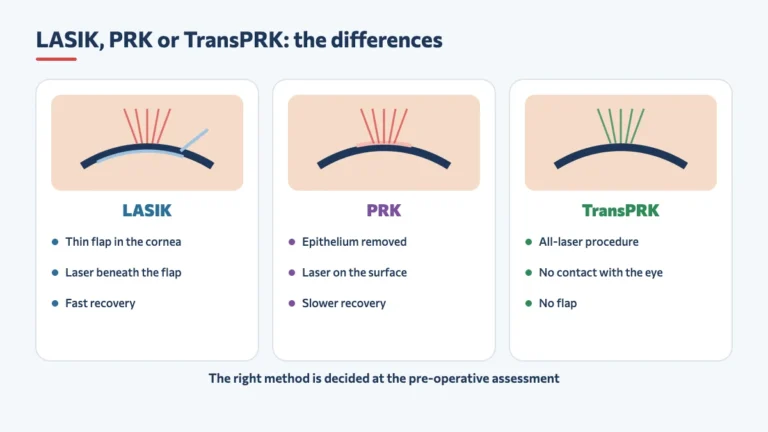
LASIK, PRK or TransPRK: Which Laser Eye Surgery Is Right for You?
The difference between LASIK, PRK and TransPRK, how long recovery takes and which criteria determine the right laser eye surgery for each eye.
Read the article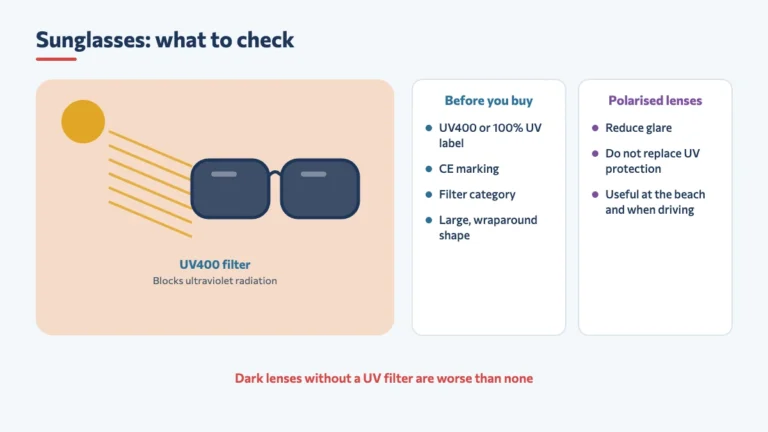
Sunglasses and Eye Protection: What to Check Before You Buy (Including for Children)
UV400, CE mark, filter category and polarised lenses: what to check before buying sunglasses for yourself and for your children.
Read the article