Page contents
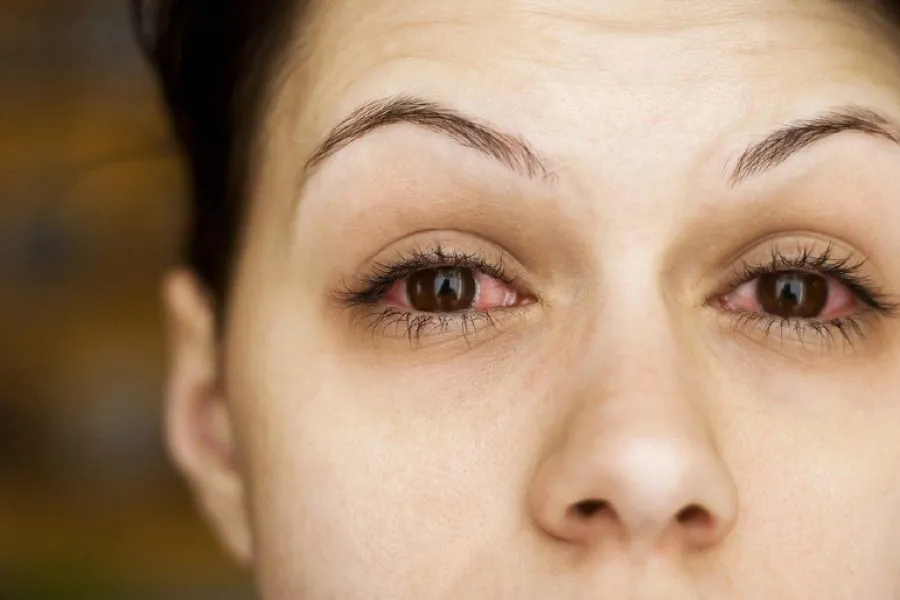
Our eyes, these wonderful sense organs, are vulnerable in spring. Eye allergies are common at this time of year: the season brings nature into bloom, but it also brings certain problems for our eyes. Let us look at some of the conditions that can affect the eyes in spring:
- Conjunctivitis: The most common allergy affecting the eyes is conjunctivitis. In spring, the conjunctiva (the transparent membrane that covers the sclera and the inner surface of the eyelids) comes into contact with allergens in the air. It then becomes inflamed, with symptoms that vary.
- Vernal keratoconjunctivitis: This form of conjunctivitis begins in spring and can last until autumn. It usually appears in children and causes intense itching, watering and photophobia.
- Atopic keratoconjunctivitis: This is associated with skin eczema and causes swollen eyelids. The skin is also often involved in this condition.
To protect our eyes, we should follow expert advice. Wear sunglasses, avoid rubbing your eyes and visit your ophthalmologist for regular check-ups. That way, we can enjoy spring without problems.
What are the symptoms that suggest an allergic reaction?
The symptoms of an eye allergy can vary, but they usually include:
- Itching: Allergies usually cause intense itching of the eyes. People may feel as if they have something in their eyes (foreign body sensation) and rub them often.
- Watering: Allergies commonly cause excessive tearing. The eyes may be moist or water constantly.
- Photophobia: People with eye allergies may be sensitive to light. Light can cause them discomfort and make them want to keep their eyes closed.
- Swollen eyelids: The eyelids may become swollen and red. This causes discomfort and, in extreme cases, can affect vision.
- If you have any of these symptoms, it is a good idea to have them assessed by a specialist, who can give you the advice and treatment you need.
How are these allergic reactions treated?
First-line treatment includes the following steps:
- Avoiding the allergen: Try to avoid exposure to the allergen that triggers the reaction. This may mean avoiding particular foods, plants, animals or other substances that cause the symptoms.
- Cold compresses: Apply cold compresses to your eyes to reduce the itching.
- Anti-allergy medication: Anti-allergic and anti-inflammatory agents, such as antihistamines and corticosteroids, can help relieve the symptoms.
- Supportive treatments: Artificial tears can also help ease the discomfort. They are very safe to use and can be applied even very frequently.
The main allergens can come from various sources. Here are the most common ones:
- Pine pollen: In spring, this pollen can cause allergic reactions in sensitive people.
- Parietaria (pellitory-of-the-wall): This is another major allergen that appears in spring.
- Olive pollen: This pollen can also cause allergic reactions.
It is important to be aware of allergens and to take the necessary protective measures in spring.
For the best possible results and for your safety, it is a good idea to follow this advice:
Know your allergens: First and foremost, it is important to identify which allergens affect you. A simple blood test can help with this.
- Make sure you have the necessary medicines (those prescribed by your doctor to treat the condition).
- Find out where the nearest hospitals are if you are away from your permanent home.
- Contact your ophthalmologist if any worrying symptom appears.
Questions about your case?
Dr. Skouteris will examine you at his practice in Neo Psychiko and explain your options.

Ophthalmic surgeon trained at the John Radcliffe University Hospital in Oxford and Fellow of the European Board of Ophthalmology (FEBO).
Full profileRelated articles
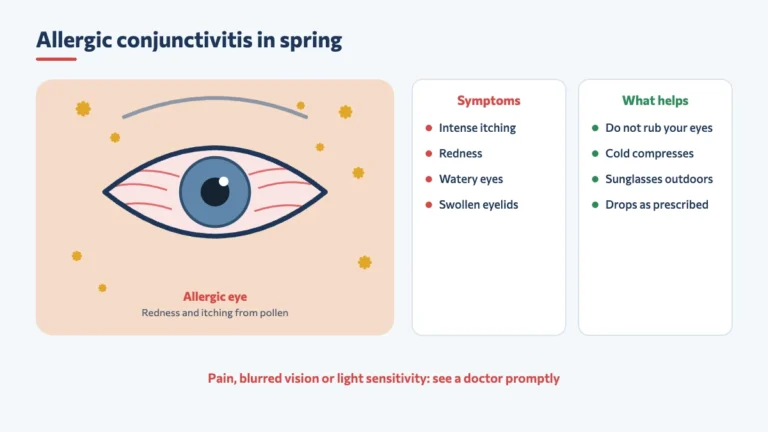
Allergic Conjunctivitis in Spring: Symptoms, Prevention and When to Worry
Itching, redness and watering in both eyes every spring? How to recognise allergic conjunctivitis, what helps prevent it and which signs need prompt examination.
Read the article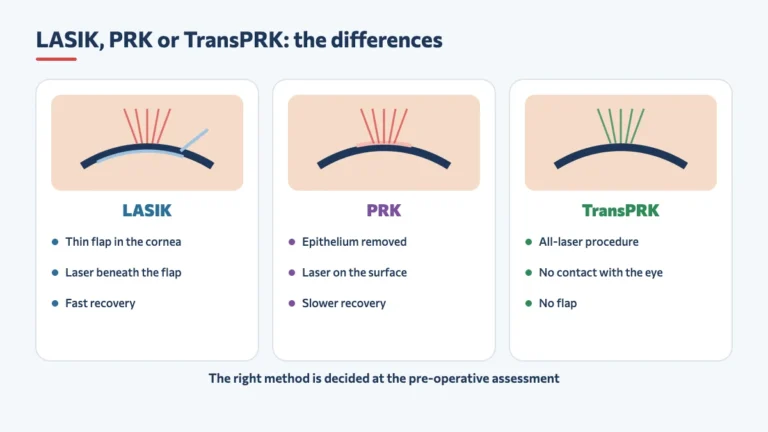
LASIK, PRK or TransPRK: Which Laser Eye Surgery Is Right for You?
The difference between LASIK, PRK and TransPRK, how long recovery takes and which criteria determine the right laser eye surgery for each eye.
Read the article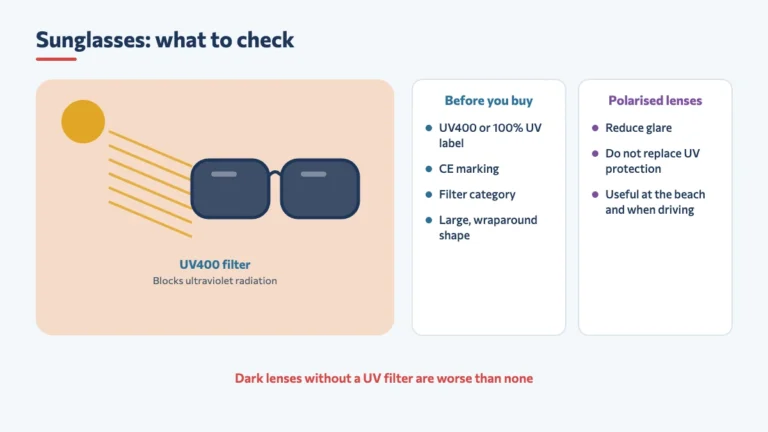
Sunglasses and Eye Protection: What to Check Before You Buy (Including for Children)
UV400, CE mark, filter category and polarised lenses: what to check before buying sunglasses for yourself and for your children.
Read the article