Page contents
- How the tear system works
- Why are my eyes watering? The most common causes
- When your eye waters all the time
- When only one eye waters
- Watery, red and stinging eyes
- Watery eye after cataract surgery
- Why is my baby’s eye watering?
- How the diagnosis is made
- Treatment: what helps for each cause
- Practical tips at home
- When to see an ophthalmologist
- Frequently Asked Questions
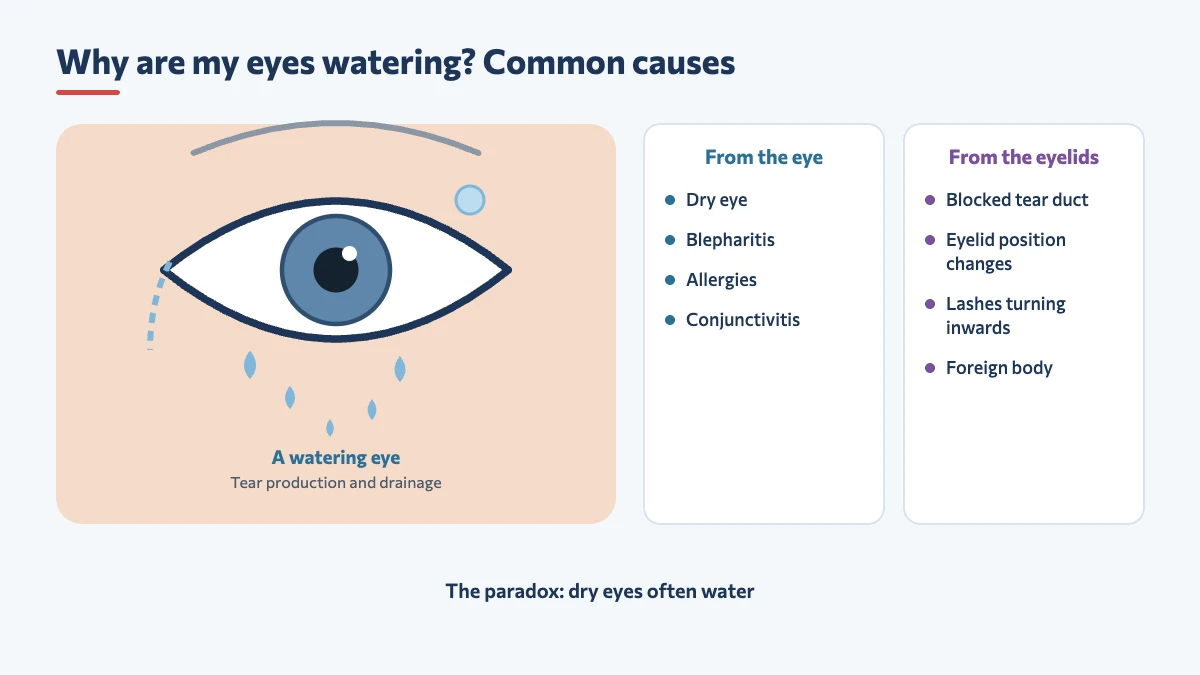
Your eyes water when they produce more tears than can drain away, or when the channel that carries tears into the nose is narrow or blocked. Surprisingly, the most common causes of watery eyes are dry eye, allergies, blepharitis and a narrowed tear duct. Wind, cold and tiredness can also make the eyes run. Below we explain in detail why your eyes are watering, what it means when they water all the time or when only one eye waters, what happens in babies and after cataract surgery, and when you need to see an ophthalmologist.
How the tear system works
Tears are not only produced when we cry. They are made constantly, in small amounts, to clean, moisturise and protect the surface of the eye. Every time we blink, the eyelids spread a thin layer of tear film over the cornea and push the excess towards the inner corner of the eye.
There, on each eyelid, is a tiny opening called the lacrimal punctum. Tears pass through it into a fine channel, collect in the lacrimal sac beside the nose and then drain through the nasolacrimal duct into the inside of the nose. That is why your nose runs when you cry.
So an eye waters for one of two reasons: either more tears are produced, or they do not drain properly. This distinction is the key to the right treatment.
Why are my eyes watering? The most common causes
1. Dry eye: the tear paradox
It sounds contradictory, but the most common cause of watery eyes is dry eye syndrome. When the basic tear layer is insufficient or evaporates too quickly, the surface of the eye becomes irritated. The brain responds by sending a signal for “emergency” tears, which are very watery and do not stay on the eye but run down the cheek. As a result, the patient has burning, a gritty sensation and tears all at the same time. It usually gets worse in the wind, with air conditioning, at a screen and when reading.
2. Blepharitis and gland dysfunction
In blepharitis, the glands along the eyelid margin produce a thick secretion instead of the thin oily layer that stops tears from evaporating. The tear film becomes unstable, and the eye becomes irritated and waters. The eyelid margins are often red, with flakes on the lashes, and the lids are stuck together in the morning.
3. Allergies
In allergic conjunctivitis, pollen, dust, pet hair or cosmetics cause itching, redness and plenty of clear tears, usually in both eyes. It is often accompanied by sneezing and a runny nose.
4. Viral or bacterial conjunctivitis
Infectious conjunctivitis makes the eye red, with tears or discharge. Viral conjunctivitis usually causes watery tears and starts in one eye before spreading to the other, whereas bacterial conjunctivitis produces a thick yellow or green discharge that sticks the eyelids together. Both are contagious.
5. Narrowed or blocked tear duct
When the passage to the nose narrows or becomes blocked, tears have nowhere to go and spill over onto the cheek, even indoors and without any irritation. This is a common cause of persistent watering in adults over 50, especially women. It can also be caused by chronic inflammation of the nose and sinuses or by an old facial fracture. When tears pool in the lacrimal sac, they can become infected and cause swelling, pain and redness at the inner corner of the eye, next to the nose. This is called dacryocystitis and needs prompt treatment.
6. Changes in eyelid position
With age, the eyelid tissues become lax. When the lower eyelid turns outwards (ectropion), the punctum no longer touches the eye and tears cannot enter it. When it turns inwards (entropion), the lashes rub against the cornea and cause irritation and tearing. Both conditions can be corrected with minor surgery.
7. Eyelashes growing towards the eye
One or more eyelashes may grow in the wrong direction and rub against the eye with every blink. This condition, trichiasis, causes a foreign body sensation, redness and tearing, and is treated by removing the lash or permanently destroying its follicle.
8. Foreign body or corneal injury
A speck of dust, a metal filing or a scratch on the cornea from a fingernail or a leaf causes heavy tearing, pain and sensitivity to light, usually suddenly and in one eye. It needs to be examined the same day.
9. Wind, cold, light and tiredness
Strong wind, cold, bright sunshine and smoke irritate the eye and increase tear production. So do tiredness and yawning. These tears are a normal reaction and stop as soon as the trigger is removed. Wraparound sunglasses help a great deal.
Are your eyes watering all the time?
An examination and clear advice on your case at our practice in Neo Psychiko.
When your eye waters all the time
If your eye waters every day, for weeks or months, this is chronic epiphora and it is worth having it checked. In most adults the cause is a combination: a little dry eye, a little blepharitis and some mild age-related laxity of the eyelids. In others, a true narrowing of the tear duct is to blame. The treatment is completely different, which is why diagnosis comes first. Artificial tears, for example, help with dry eye but will not clear a blocked duct.
When only one eye waters
When only one eye is watering, the most likely causes are local: a narrowed tear duct on one side, an eyelash rubbing the eye, a foreign body, a chalazion or stye pressing on the eye, or ectropion of one eyelid. Patients often tell us that “my left eye keeps watering”, or the right one. The side on its own is not particularly significant; what matters is what the examination finds in that eye.
Watery, red and stinging eyes
The combination of tears, redness and stinging points to irritation or inflammation of the surface of the eye. If it affects both eyes with itching, an allergy is likely. If there is a gritty feeling that gets worse in the afternoon, dry eye is more likely. If there is discharge and the eyelids are stuck together, we think of conjunctivitis. However, if there is pain, marked sensitivity to light or blurred vision, it may be something more serious, such as a corneal infection or inflammation inside the eye, and you should be examined the same day. If you wear contact lenses, take them out straight away.
Watery eye after cataract surgery
In the first few weeks after cataract surgery, it is common for the eye to water slightly. The reasons are temporary irritation of the surface from the small incision, the drops used after surgery and transient dry eye. It usually improves gradually over a few weeks, and preservative-free artificial tears help.
It is not normal, however, for the watering to come with increasing pain, marked redness, swollen eyelids or a drop in vision in the first few days after surgery. In that case, contact your surgeon immediately so that inflammation or infection can be ruled out.
Why is my baby’s eye watering?
In infants, the most common cause of an eye that waters constantly from the first weeks of life is congenital nasolacrimal duct obstruction. A thin membrane at the lower end of the duct has not opened yet. The eye is white but full of tears, and there is often a yellowish discharge on the lashes, especially after sleep.
In the vast majority of babies, the duct opens on its own within the first year. Gentle massage at the inner corner of the eye, next to the nose, with clean hands, as your doctor will show you, helps, along with cleaning away the discharge with sterile saline. If the watering persists beyond 12 months, a short procedure is performed to open the duct with a special fine instrument (probing).
Your baby needs to be examined promptly if the eye is red, if the cornea looks cloudy or larger than the other eye, or if the baby strongly avoids light. Rarely, these can be signs of infantile glaucoma. You can find more about eye checks for children on our paediatric ophthalmology page.
How the diagnosis is made
Diagnosis starts with your history: when the watering began, whether it affects one or both eyes, whether it gets worse in the wind or indoors, and whether there is discharge, itching or burning. This is followed by a slit lamp examination, which assesses the position of the eyelids, the puncta, the lashes, the glands and the surface of the eye.
Using a dye drop, we measure how stable the tear film is and whether there is any damage to the cornea. To check whether the tear duct is open, we perform lacrimal irrigation: saline is introduced into the punctum through a very fine, blunt cannula. If you feel the fluid in your nose or throat, the duct is open. If the fluid comes back, there is a blockage. The test is quick and almost painless.
Treatment: what helps for each cause
- Dry eye: Preservative-free artificial tears, warm compresses, eyelid hygiene and, where needed, anti-inflammatory drops.
- Blepharitis: Daily eyelid cleaning, warm compresses and treatment of the glands.
- Allergy: Antihistamine eye drops and avoiding the allergen.
- Infectious conjunctivitis: Hand hygiene and, for bacterial conjunctivitis, prescription antibiotic drops.
- Blocked tear duct in adults: When the blockage is complete, the definitive solution is dacryocystorhinostomy (DCR), an operation that creates a new pathway for tears from the lacrimal sac into the nose.
- Ectropion, entropion, trichiasis: Minor eyelid procedures that restore the correct eyelid position.
- Foreign body: Removal in the clinic and drops to help healing.
Practical tips at home
- Wipe away tears with a clean tissue, using gentle downward movements, without rubbing the eye.
- Wear wraparound sunglasses in the wind and sun.
- Take breaks from screens and make a conscious effort to blink.
- Avoid pointing air conditioning or car vents at your face.
- Do not use “anti-redness” drops on a daily basis, as in the long term they can make the irritation worse.
When to see an ophthalmologist
Book an appointment if your eye has been watering constantly for more than two to three weeks, if only one eye waters for no obvious reason, if the tears get in the way of reading, driving or work, or if there is discharge. You need to be seen the same day if the watering comes with pain, marked sensitivity to light, a drop in vision, an injury, swelling and pain next to the nose, or if it started a few days after eye surgery.
To book an appointment at our clinic in Neo Psychiko, Athens, call 210 677 0007.
Frequently Asked Questions
Why is my eye watering for no reason?
There is usually a reason; it just is not obvious. The most common cause is dry eye, which triggers reflex tearing. Other causes include blepharitis, allergy, age-related laxity of the lower eyelid and a narrowed tear duct. An examination by an ophthalmologist identifies the cause.
Why is only one eye watering?
When only one eye waters, the most likely causes are local: a narrowed tear duct on one side, a rubbing eyelash, a foreign body, a chalazion or a change in the position of one eyelid. If it comes with pain or blurred vision, you need to be examined the same day.
Is it normal for the eye to water after cataract surgery?
Mild watering in the first few weeks is common and is caused by temporary irritation and dryness. It is not normal if it comes with increasing pain, marked redness or a drop in vision. In that case, contact your surgeon immediately.
Why is my baby’s eye watering?
The most common cause is congenital nasolacrimal duct obstruction, which in most babies clears on its own within the first year with gentle massage. If the eye is red, the cornea is cloudy or the baby avoids light, an examination is needed promptly.
Do artificial tears help when the eye is watering?
Yes, if the cause is dry eye, which is also the most common one. By moisturising the surface of the eye, they reduce irritation and reflex tearing. If the tear duct is blocked, however, artificial tears will not help and a different solution is needed.
Questions about your case?
Dr. Skouteris will examine you at his practice in Neo Psychiko and explain your options.

Ophthalmic surgeon trained at the John Radcliffe University Hospital in Oxford and Fellow of the European Board of Ophthalmology (FEBO).
Full profileRelated articles
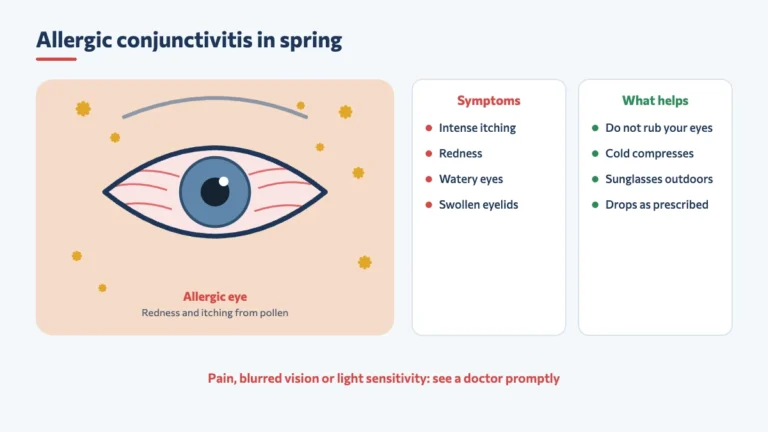
Allergic Conjunctivitis in Spring: Symptoms, Prevention and When to Worry
Itching, redness and watering in both eyes every spring? How to recognise allergic conjunctivitis, what helps prevent it and which signs need prompt examination.
Read the article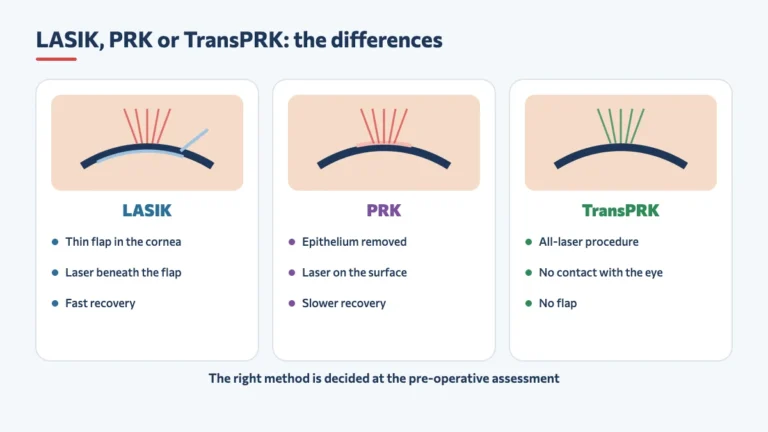
LASIK, PRK or TransPRK: Which Laser Eye Surgery Is Right for You?
The difference between LASIK, PRK and TransPRK, how long recovery takes and which criteria determine the right laser eye surgery for each eye.
Read the article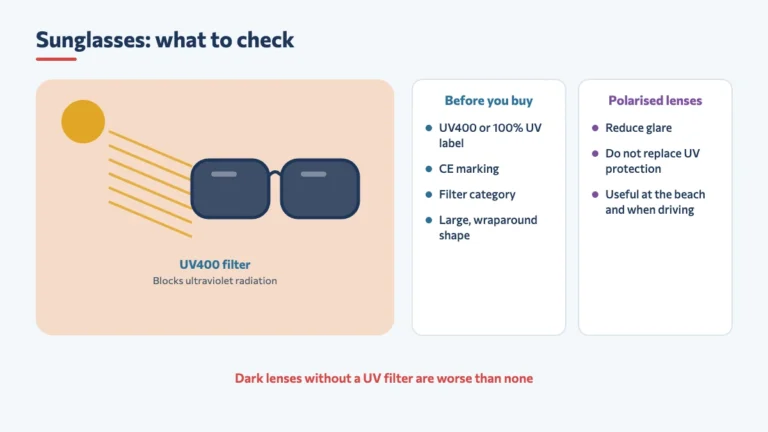
Sunglasses and Eye Protection: What to Check Before You Buy (Including for Children)
UV400, CE mark, filter category and polarised lenses: what to check before buying sunglasses for yourself and for your children.
Read the article